The engine matters more than size or bits
Engine swaps bought 2 to 2.5 times the speed. A 4 bit copy of the 27B matched the 8 bit one on the test at a third of the memory.
Ty Dale/Arizona/private AI and creator products
I'm Ty Dale. I build AI systems that do real work: private AI for businesses that want to own their stack, and finished digital products for creators, built from what their audience keeps asking for.
01 / For Creators
I built an AI system that reads what your audience keeps asking for, checks that people already pay for that kind of product, then builds the product, the store listing, and the revenue split. You only have to share a link.
New in November 2026First product finished50 / 50 split
How it works
The system reads the public comments on your videos and counts the questions that keep coming back.
It looks for proof that people already pay for that kind of product before anything gets built.
It writes and lays out the product and drafts the store page. AI tools do the writing, and a person checks every page.
I list it on my Whop store with your half already set. You share one link with your audience.
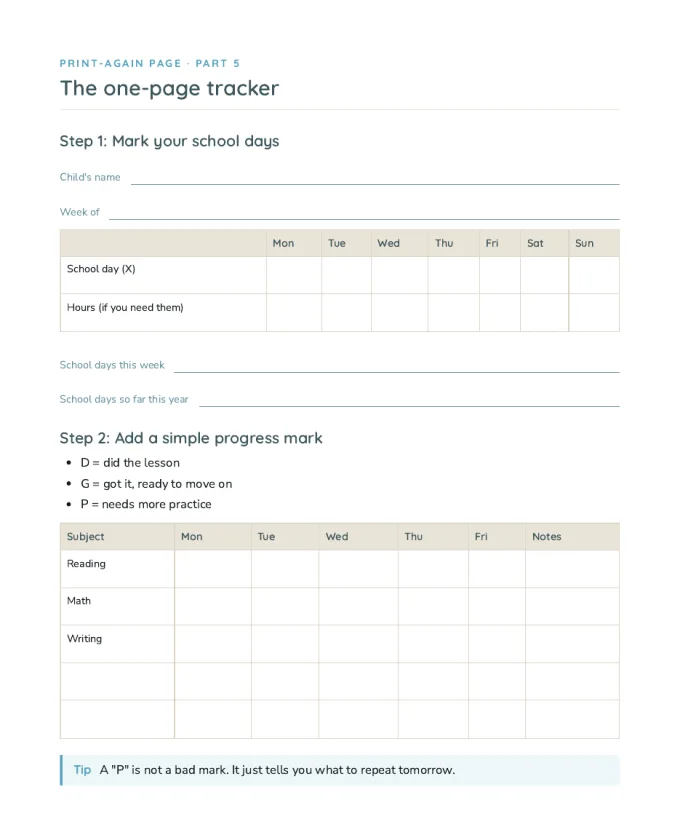
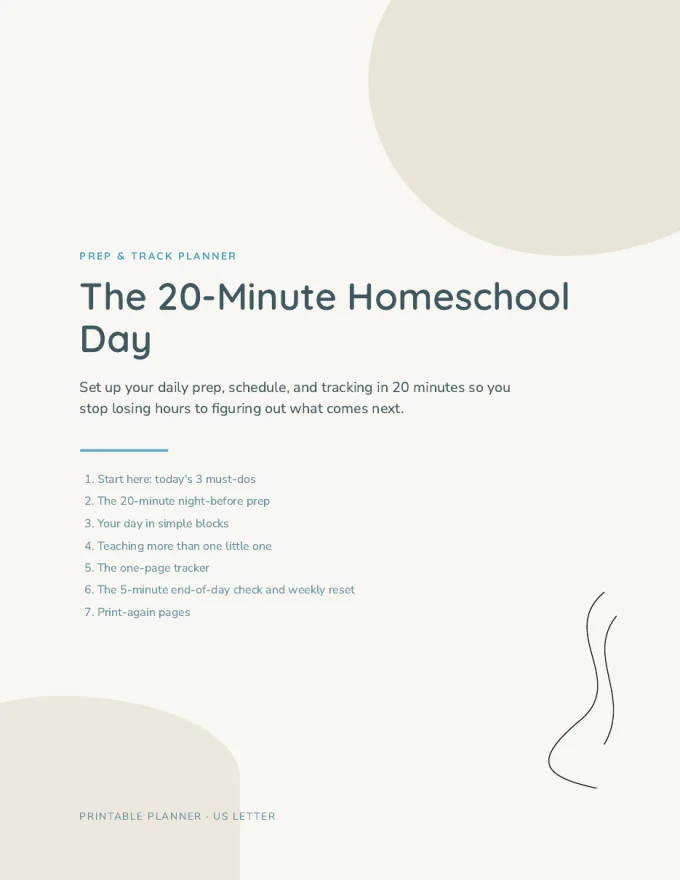
Where this standsThis is new. The system is built, and the first finished product is the planner shown above.
These are examples of what the system can build. They are not past work. The planner above is the one finished product so far.
No email yet? Send me a link to your channel and I'll tell you honestly whether I see a product in it.
02 / Why Private
Not a thin wrapper around someone else's API. Open models, a model switcher, memory limits, and a test harness, all running on a Mac you can physically point at.
Cloud calls made by my local model server: 0
03 / The Platform
Most "AI consultants" resell someone else's API. I run open models on my own hardware, so when I build for you, I know every layer because I've operated every layer.
fig. 02 · how a request reaches a model on my Mac · animation
Qwen 3.8 Flash Next, 107 GB on disk, is the main brain. A Qwen 3.8 27B runs every nightly job, a small Qwen 3.5 9B takes quick questions, and an embedding model powers search.
My own switcher loads a model when a request arrives and unloads it after an hour of quiet, so a 107 GB model and everyday work can share one Mac.
MTPLX runs Flash Next and TensorFold runs the 27B. Each one won a timed test against other engines before it got the job.
Real agent work: edit files, run commands, read code, browse. Graded by checking what the agent actually did, not by asking a model how it went.
I also built an OpenAI compatible gateway with login, usage dashboards, and Stripe billing. Its health check still answers, and this page reads it live, but the models behind it were retired with my old engine, so it is not taking requests.
04 / The Lab
I don't pick models by hype. Every model and engine on this Mac had to win a measured test first. Here is what I ran from mid September to mid November 2026, what I decided, and why.
Writing that customers read goes to a Claude model in the cloud. In a blind test on Nov 14, Claude Fable 5.2 beat my local model.
Test log · Sep 15 to Nov 15, 2026
Out of the box, Flash Next wrote about 13 tokens per second. Turning on multi token prediction and finding the right draft depth took it to 31 on code. Setting the fans to max, with nothing else changed, took it to 40.
DecisionKeep the fans up. Heat was costing about 30%.
Same model, two engines. oMLX wrote code at 48 tokens per second, MTPLX at 98. On my 48 task test the scores tied at 47 and 46, but the median task took 15 seconds instead of 42.
DecisionMoved the main brain to MTPLX: 2.5 times faster on real work.
A 107 GB model fills most of a 128 GB machine, so I built a switcher that loads models on demand. Then the lighter 27B crept up to 97 GB in long chats, because its engine sized itself to the whole Mac. With a memory budget, a replay of a real 68,763 token chat peaked at 49 GB.
DecisionCapped the 27B. First perfect 48 of 48 the same day.
I timed the 27B on nine engine setups. TensorFold with a draft model wrote code at 69.7 tokens per second, against 25.2 on Ollama. A long chat test then caught it growing from 33 to 69 GB, which the short benchmark had hidden. Two cache caps held it flat with no speed loss.
DecisionNightly jobs moved to TensorFold: 16 minutes for the 48 tasks instead of 38. The old engine stays as a one click backup.
My agent broke its own model switcher twice by writing settings that do not exist. A guard now checks every edit against the engine's real options and blocks the bad ones.
DecisionThe agent can change its setup, but only through a check.
Before keeping a new MTPLX version I reran everything: 48 of 48 in 18.5 minutes, and a chat grown to 86,000 tokens with memory flat.
DecisionKept the update, with the old version saved as a one step rollback.
The same model on a different engine finished my 48 tasks minutes faster. Before switching I looked for the reason: my test setup was breaking the current engine's cache, so it reread its instructions 35 to 41 times a round instead of 3. I fixed the test and ran both again. They came out level.
DecisionKept the current engine and deleted the 98.7 GB download. Test runs can no longer change my agent's real memory or skills.
Three writers wrote the same product from the same research: my local model, Claude Opus 5.5, and Claude Fable 5.2. Each draft was printed in the same design and labeled A, B, or C at random. I picked one without knowing who wrote it.
DecisionFable 5.2 won and wrote the first product. The local model builds and checks. Writing that customers read goes to a Claude model.
What the testing taught me
Engine swaps bought 2 to 2.5 times the speed. A 4 bit copy of the 27B matched the 8 bit one on the test at a third of the memory.
Two identical runs in November finished 6.4 minutes apart. I only trust big gaps and repeated runs.
Memory problems only show up as a chat grows, so every new engine has to pass a growing chat test.
So I check files and command output, never a model's own summary. It is also why a person checks every page of a product.
05 / What I Build
From the first missed call to a full product: this is what I can build and run for your business.
Missed call text back, appointment booking, and instant lead response for service businesses, so inquiries at 9 PM become customers instead of voicemails.
Internal chat and document assistants running on dedicated hardware, for businesses that want AI without sending customer data to a third party cloud.
Connecting AI to the tools you already use: CRMs, calendars, payment systems, email. Webhooks and APIs that just work.
Auth, billing, dashboards, and deployment: the same kind of stack I built for my own API, built for your idea.
06 / About the Builder
I learn by building, and I run what I build: a local model server, a home media server, and a personal AI agent that studies every night. I've shipped an app to the App Store, I'm finishing a picture book app for kids, and I design and build websites by hand, like this one. My newest build turns what a creator's audience asks for into a finished product. I'm not a classically trained engineer, and that's the point: I build with modern AI tools the way your business will actually use them.
Open weight language models served privately on Apple Silicon, with no cloud bill.
A self hosted media and photo server, a whole home ad blocker, and secure remote access, all keeping itself running.
Native apps with in app purchases, taken all the way through App Store review.
Custom websites designed, built, and deployed by hand, like this one.
07 / Selected Work
Keep scrolling →
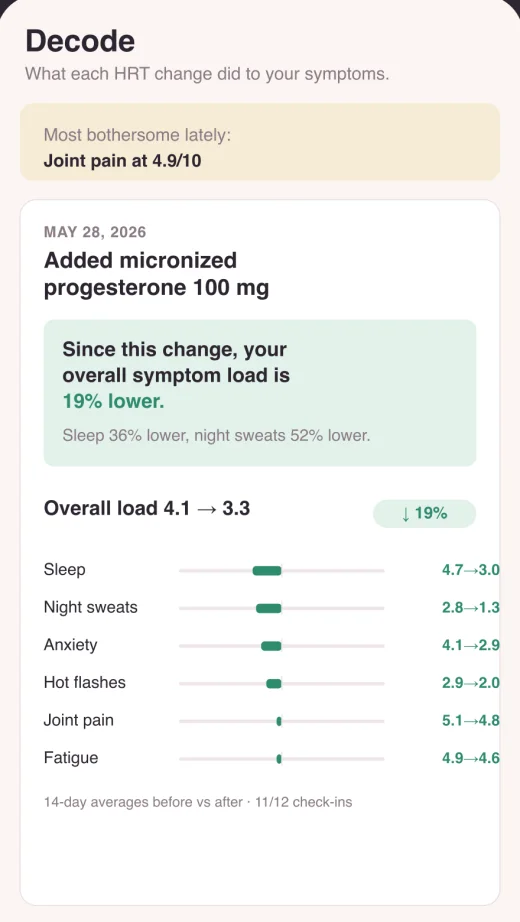
A perimenopause and HRT tracker that shows whether a treatment change is actually working.
Good morning. Night study finished: skills sharpened, notes filed in the vault.
What's on my calendar today?
My personal AI agent on Telegram. It runs on my own Mac, studies every night, and gets its skills sharpened by a nightly review.
Large open models served from one Mac: a 107 GB model with multi token prediction, a lighter 27B for night jobs, and embeddings for search. It powers Jarvis and my creator product system.
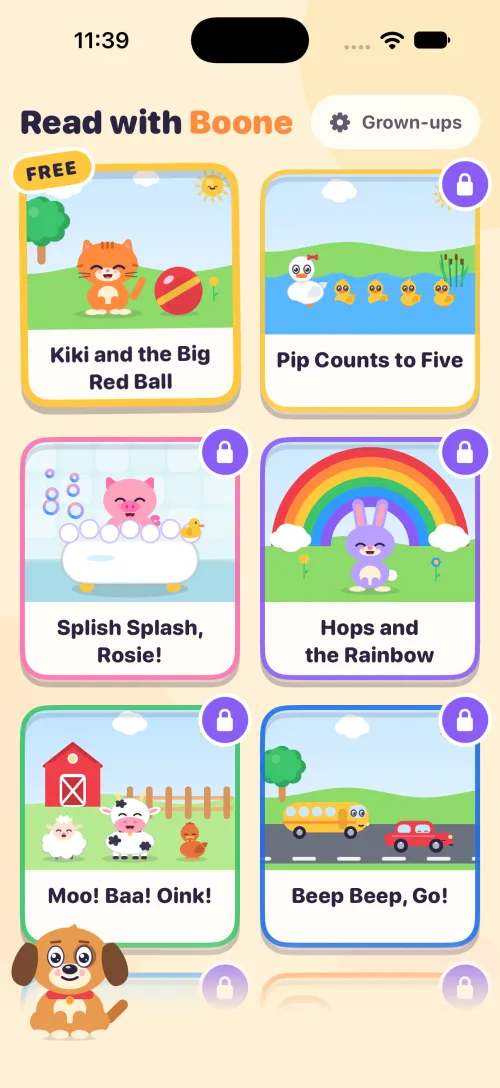
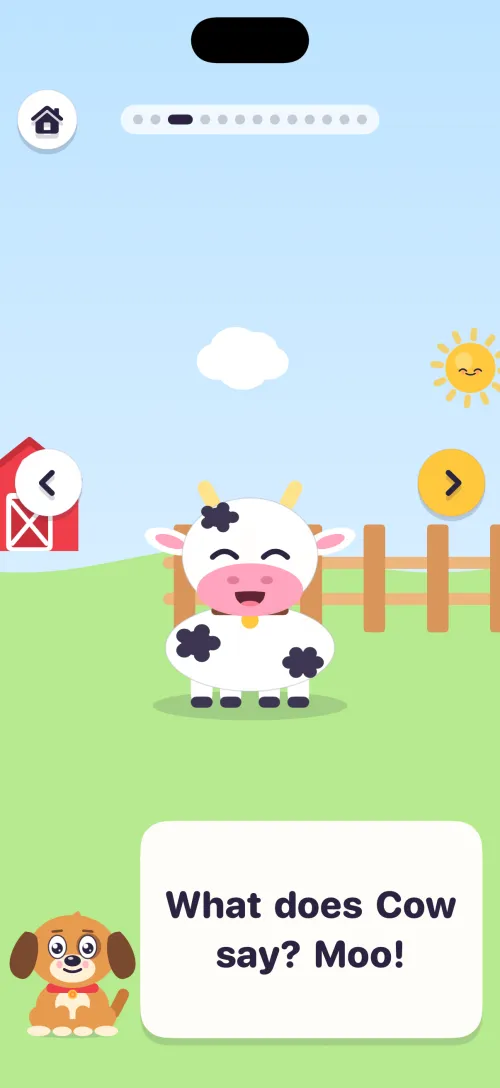
Native iOS picture books for ages 2 to 4, read aloud by a puppy narrator.
A 7 TB NAS that runs my home: self hosted Jellyfin and photo backup, a whole home ad blocker, secure remote access, and a watchdog that keeps it all running.
08 / Demo
A demo for a business like a day spa: the AI receptionist answers a missed call by text and books the visit. Then the same phone runs a private assistant answering from local files. No human touches either one.
Demo conversation · business and names are illustrative
fig. 04 · missed call text back, as the customer sees it
09 / Work With Me
If you want slideware, hire a consultancy. If you want a working system from someone who runs his own, tell me what you're trying to automate or build. I'll reply with an honest read on whether it's worth doing, and a fixed price if it is. Creators: the same address works for you.
Replies within one business day